Start from your structural drawings, understand grades and sizes, plan quantities properly and ask the right questions before you buy.
Steel is one of the most important materials in any building. It carries load, holds concrete together and decides how safely a structure behaves over decades. Choosing it carefully is worth the time — here is a simple, practical approach.
Start with your structural drawings
The type, grade, diameter and quantity of steel for a building should come from a structural engineer's design, not from guesswork. The drawings and bar bending schedule (BBS) tell you:
- Which bar diameters are needed for footings, columns, beams and slabs
- The grade of steel the design is based on
- Spacing, lengths and laps, which decide the total quantity
If you do not have drawings yet, speak to a qualified engineer before buying. A supplier can help with availability and pricing, but structural decisions belong with your engineer.
Understand the main types of steel
For most house and building construction you will come across:
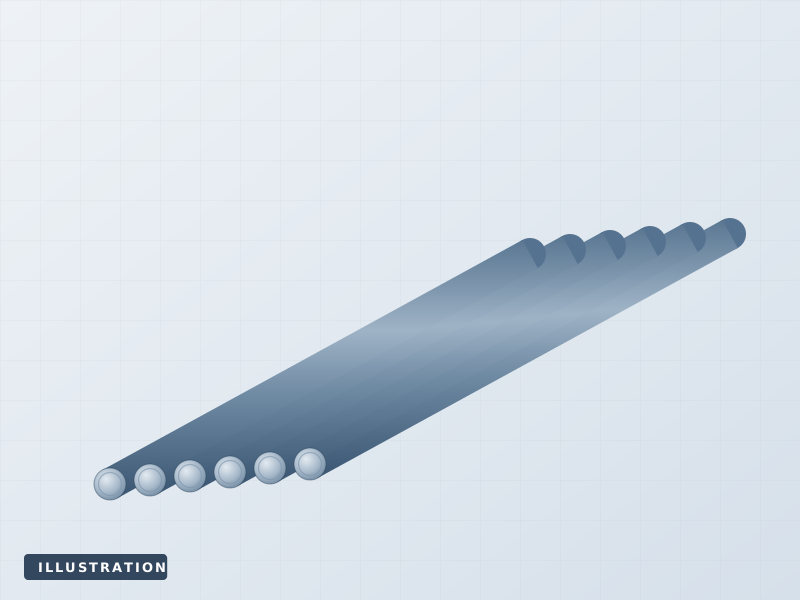
- TMT bars for RCC reinforcement — see our guide on understanding TMT bars
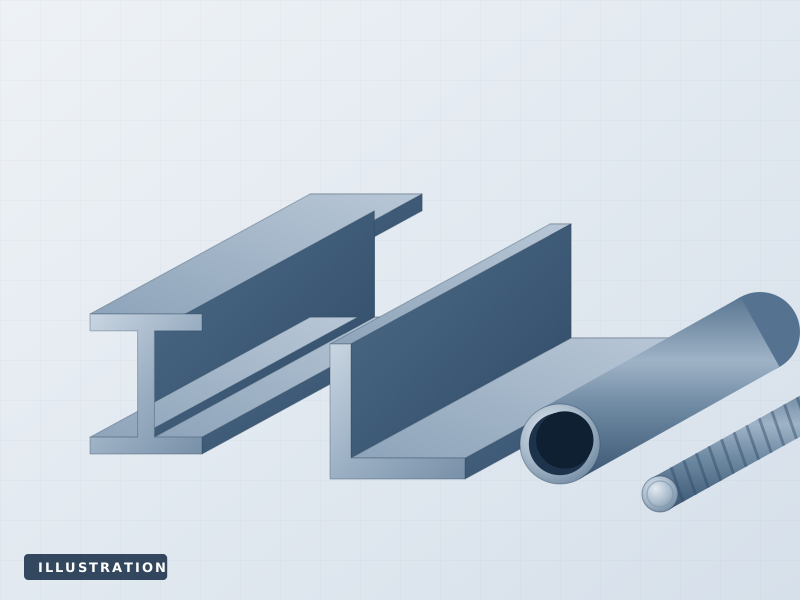
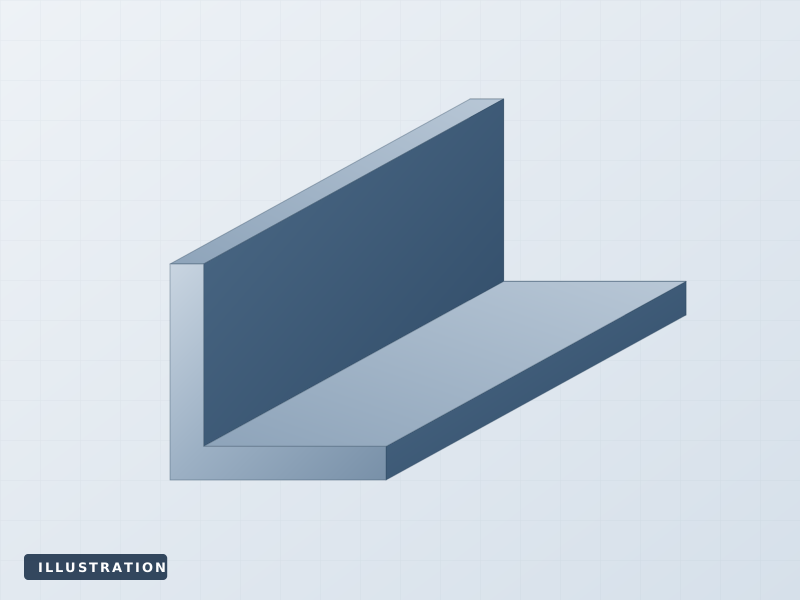
- Structural sections such as angles, channels and beams for sheds, frames and supports
- Pipes, sheets and plates for railings, gates, base plates and fabrication
Our article on types of iron and steel used in building construction explains each of these in more detail.
Match the grade to the design
Reinforcement bars are sold in grades such as Fe 500 or Fe 550 (the number indicates minimum yield strength in N/mm²). A "D" suffix, such as Fe 500D, indicates higher ductility. Use the grade your engineer has specified — a higher number is not automatically "better" for every design.
Plan quantities realistically
Steel is usually sold by weight. Work out the weight from your BBS and allow for cutting wastage and laps as advised by your engineer or contractor. Buying in planned lots also helps you avoid long storage periods on site.
Check quality when the material arrives
Before accepting delivery, check the markings, look for excessive rust or damage, and verify the weight. Our checklist on things to check before buying steel bars covers this step by step.
Ask your supplier the right questions
- Which sizes, grades and brands are currently available?
- What is today's rate, and how is it calculated (per kg, per tonne, per piece)?
- Will I receive a proper bill for the purchase?
- Can the material be weighed at the time of purchase?
Get in touch
If you are building in or around Raebareli, you can contact Bharat Iron Traders near Civil Court Chauraha with your requirement list. We will tell you what is currently available and share current pricing.
Need a shutter or iron & steel in Raebareli?
Get in touch with Bharat Iron Traders for shutter quotations and iron and steel enquiries.
This article is general information. For structural decisions, always follow the advice of a qualified engineer.